
Achieving sobriety is a remarkable milestone, but it is only the beginning of a lifelong journey toward health, stability, and personal growth. Lasting recovery involves much more than abstaining from drugs or alcohol. It requires healing the mind, strengthening the body, restoring relationships, and developing the skills needed to navigate life’s challenges with confidence. Because no two individuals experience addiction in the same way, recovery is most successful when treatment is personalized to address each person’s unique needs, goals, and circumstances.
At KOA World, recovery is built on individualized care that combines evidence-based addiction treatment, mental health services, inpatient and outpatient programs, and holistic and faith-based approaches. This comprehensive model helps individuals move beyond sobriety to create meaningful, lasting change and a stronger future.
Why Personalized Addiction Treatment Matters
Every Recovery Journey Is Unique
Addiction develops differently for every individual. Genetics, trauma, mental health conditions, family dynamics, life experiences, and environmental influences all play a role in shaping a person’s recovery needs.
For this reason, effective addiction treatment should never rely on a standard approach. Personalized treatment plans allow clinical professionals to create strategies that address each individual’s specific challenges while building on their strengths.
Recovery Is About More Than Stopping Substance Use
While achieving sobriety is an important accomplishment, long-term recovery also focuses on emotional healing, healthy relationships, physical wellness, and personal purpose.
By addressing every aspect of an individual’s well-being, personalized care creates a stronger foundation for lasting recovery.
Comprehensive Assessment Creates the Right Starting Point
Understanding the Whole Person
The recovery process begins with a thorough assessment that explores far more than substance use alone. Treatment professionals evaluate:
- Substance use history
- Mental health concerns
- Physical health
- Family relationships
- Personal goals
- Lifestyle and daily responsibilities
- Previous treatment experiences
This information helps develop a treatment plan that reflects the individual’s unique situation.
Flexible Plans Encourage Long-Term Success
Recovery is not a straight line. As individuals make progress, their treatment needs naturally change. Personalized care allows treatment plans to evolve, ensuring that every stage of recovery receives the appropriate level of support.
Treating Addiction and Mental Health Together
The Importance of Dual Diagnosis Care
Many individuals living with addiction also struggle with anxiety, depression, trauma, or other mental health conditions. These co-occurring disorders often influence one another, making comprehensive care essential.
Treating addiction without addressing underlying mental health concerns may increase the risk of relapse. Integrated treatment helps individuals improve emotional stability while strengthening their recovery.
Therapy Builds Healthy Coping Skills
Individual counseling and group therapy provide safe spaces for individuals to understand the emotional factors that contribute to substance use. Therapy encourages healthier thinking patterns while teaching practical skills for managing stress, relationships, and daily challenges.
These tools continue to benefit individuals long after formal treatment has ended.
Choosing the Right Level of Care
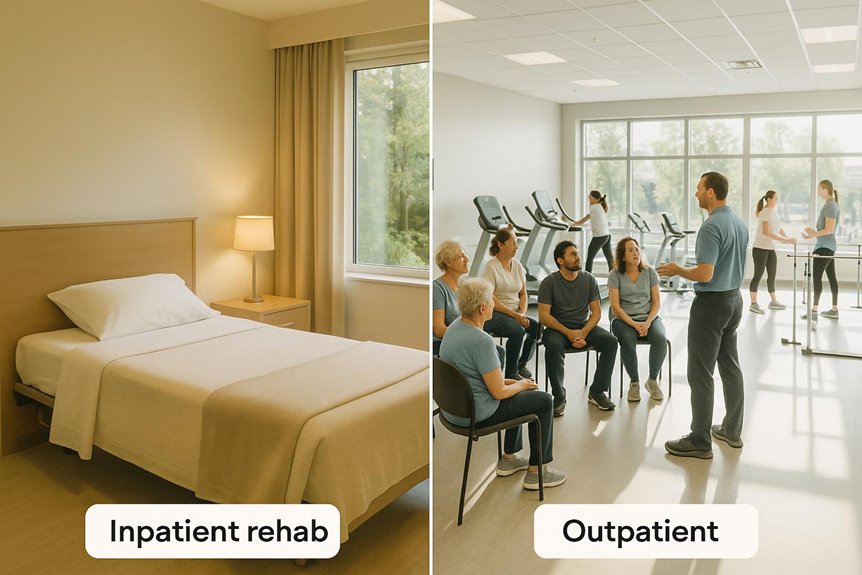
Inpatient Treatment Offers Intensive Support
Inpatient treatment provides a structured environment where individuals can fully focus on recovery. Living within a supportive treatment setting removes many outside distractions while providing continuous access to professional care.
Residential treatment is especially beneficial for individuals with severe addiction, complex mental health conditions, or limited support at home.
Outpatient Treatment Encourages Independence
Outpatient care allows individuals to participate in therapy and recovery services while maintaining work, school, or family responsibilities. This flexible approach supports continued growth while allowing clients to apply recovery skills in everyday life.
Many individuals transition from inpatient treatment to outpatient care as they continue building confidence and independence.
Holistic Healing Supports Lasting Wellness
Caring for Mind, Body, and Spirit
Holistic care complements evidence-based treatment by promoting overall well-being. Recovery becomes stronger when individuals develop healthy habits that support both physical and emotional wellness.
Holistic services may include:
- Mindfulness and meditation
- Physical fitness
- Nutrition education
- Stress management
- Wellness coaching
These practices help individuals improve resilience while reducing stress and promoting balance.
Faith-Based Support Inspires Hope
For individuals seeking spiritual guidance, faith-based care offers additional encouragement throughout recovery. Spiritual growth often helps people reconnect with their values, strengthen hope, and discover renewed purpose.
When combined with professional treatment, faith-based support becomes another valuable part of whole-person healing.
Building Skills for Life After Treatment
Recovery Continues Beyond the Program
Completing treatment is an important achievement, but recovery continues throughout everyday life. Personalized care prepares individuals for long-term success by teaching practical life skills such as:
- Managing stress in healthy ways
- Preventing relapse
- Building healthy relationships
- Setting achievable goals
- Maintaining emotional wellness
These skills create confidence and independence during every stage of recovery.
Aftercare Strengthens Long-Term Recovery
Ongoing support through counseling, peer groups, wellness planning, and relapse prevention services helps individuals remain connected to recovery long after treatment ends.
Regular follow-up care provides encouragement while helping individuals navigate new challenges as they arise.
Families Play an Important Role
Recovery Grows Through Support
Families often become an important part of the healing process. Education, counseling, and improved communication allow loved ones to better understand addiction while learning healthy ways to provide encouragement.
Strong family support contributes to greater emotional stability and reinforces long-term recovery goals.
Healing Relationships Takes Time
Recovery involves rebuilding trust gradually through consistent actions, honest communication, and mutual understanding. Personalized treatment helps individuals and families work together toward healthier relationships and a brighter future.
Conclusion: A Personalized Path Leads to Lasting Recovery
True recovery goes far beyond achieving sobriety. It is about creating a healthier, more meaningful life built on emotional wellness, strong relationships, physical health, and renewed purpose. Personalized addiction treatment recognizes that every individual deserves care tailored to their unique experiences, challenges, and goals.
At KOA World, compassionate professionals provide individualized treatment that integrates addiction recovery services, mental health care, inpatient and outpatient programs, holistic wellness, and faith-based support. This comprehensive approach empowers individuals to move beyond addiction and build a future filled with hope, confidence, and lasting change.
If you or someone you love is ready to begin the journey toward recovery, professional support is available. The first step may feel difficult, but with personalized care and compassionate guidance, lasting healing is possible. A stronger future begins with the decision to seek help today.