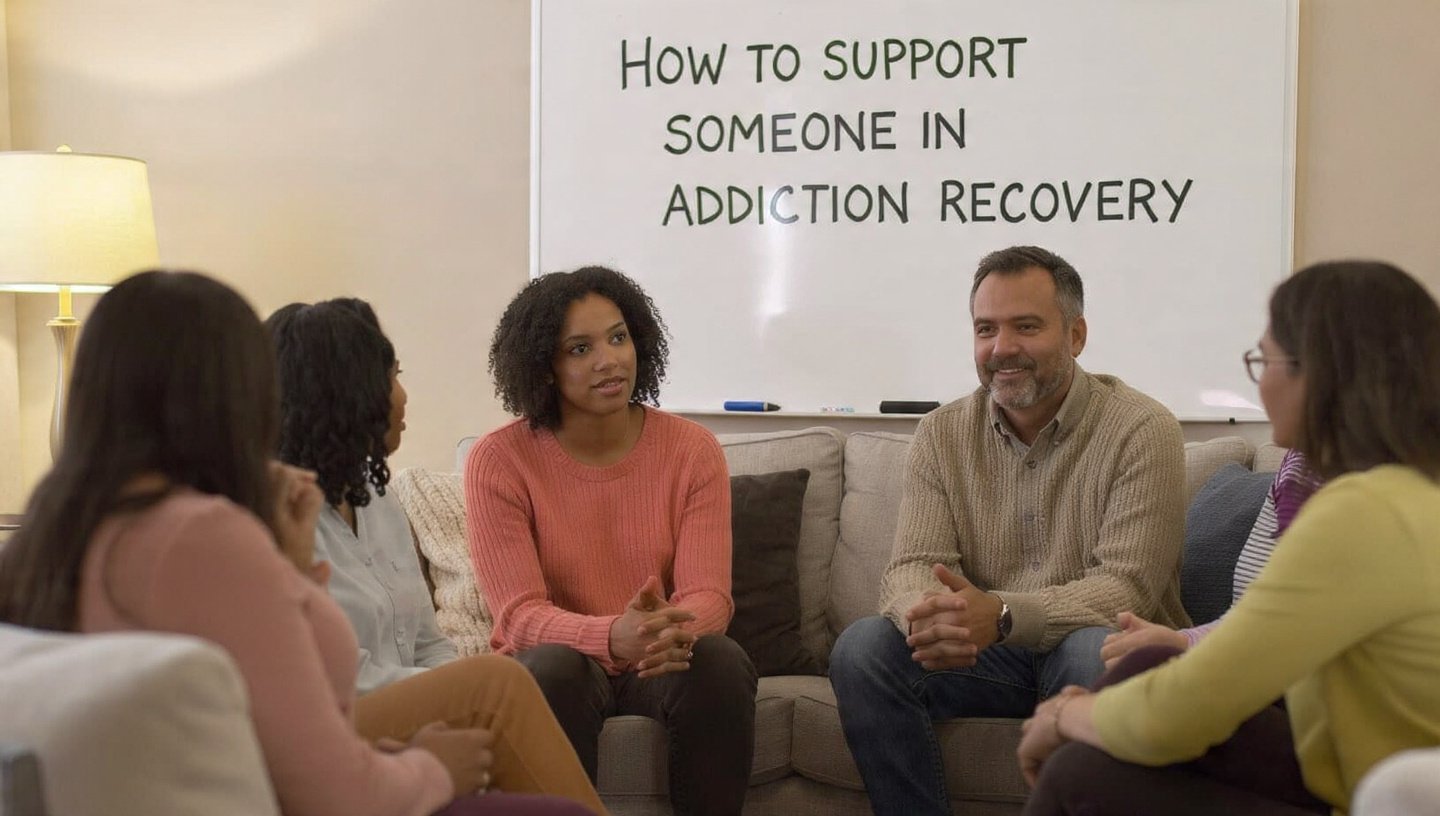
Addiction recovery is not a single moment of change. It is a journey that unfolds step by step, shaped by challenges, insights, setbacks, and breakthroughs. For many individuals, substance use is closely connected to mental health struggles such as anxiety, depression, trauma, or chronic stress. This is why true recovery requires more than stopping substance use. It requires healing the mind, supporting the body, and rebuilding emotional and spiritual well-being.
At KOA World, addiction recovery is approached with compassion and clinical expertise, offering individualized treatment that includes mental health care, inpatient and outpatient programs, and holistic and faith-based support designed to help individuals achieve lasting wellness.
Understanding Addiction as a Complex Condition
More Than a Behavioral Issue
Addiction is often misunderstood as a lack of willpower. In reality, it is a complex condition that affects brain chemistry, emotional regulation, and behavior. Over time, substance use can change how the brain responds to stress and reward, making it increasingly difficult to stop without support.
Many individuals use substances as a way to cope with emotional pain or unresolved trauma. While this may provide temporary relief, it often leads to a cycle of dependence that becomes harder to break over time.
The Link Between Mental Health and Addiction
Mental health and addiction are deeply connected. Conditions such as depression, anxiety, PTSD, and mood disorders often occur alongside substance use. When these challenges are not addressed together, recovery becomes more difficult and relapse risk increases.
Understanding this connection is essential for building effective treatment plans that address both emotional health and substance use at the same time.
The First Step: Recognizing the Need for Support
A Moment of Courage and Clarity
Acknowledging the need for help is often the most difficult step in the recovery journey. It requires honesty, vulnerability, and courage. However, it is also the most important step toward healing.
Recognizing that support is needed opens the door to professional care, guidance, and structured recovery planning.
Seeking Professional Guidance
Addiction treatment professionals can assess individual needs and recommend appropriate levels of care. This may include inpatient treatment for more intensive support or outpatient care for individuals who need flexibility while continuing daily responsibilities.
Professional guidance ensures that recovery begins with a strong and personalized foundation.
Inpatient and Outpatient Care: Building a Foundation for Recovery
Inpatient Care: Immersive Healing and Stability
Inpatient treatment provides a structured environment where individuals live at a treatment facility and receive 24 hour support. This level of care is often recommended for those experiencing severe addiction or co-occurring mental health conditions.
Inpatient programs typically include:
- Medical supervision
- Individual therapy
- Group counseling
- Mental health support
- Holistic wellness activities
This structured setting removes external triggers and allows individuals to focus fully on recovery.
Outpatient Care: Flexibility With Continued Support
Outpatient treatment allows individuals to live at home while attending scheduled therapy sessions and recovery programs. This option is ideal for those with stable environments or those transitioning from inpatient care.
Outpatient care helps individuals apply recovery skills in real world situations while maintaining ongoing professional support and accountability.
Mental Wellness in Addiction Recovery
Healing Emotional and Psychological Challenges
Mental wellness plays a central role in recovery. Therapy and counseling help individuals explore the root causes of addiction, process trauma, and develop healthier coping strategies.
By addressing emotional health directly, individuals gain the tools needed to manage stress, regulate emotions, and reduce reliance on substances.
Building Healthy Coping Strategies
Recovery involves learning new ways to handle life’s challenges. These may include:
- Mindfulness and grounding techniques
- Stress management skills
- Emotional regulation tools
- Communication and boundary setting
These skills support long term stability and emotional resilience.
Holistic and Faith Based Healing Approaches
Treating the Whole Person
Holistic care focuses on healing the mind, body, and spirit together. Practices such as meditation, exercise, nutrition support, and wellness education help restore balance and improve overall well-being.
These approaches complement clinical treatment and strengthen long term recovery outcomes.
Faith Based Support and Meaning
For individuals who seek spiritual guidance, faith based care offers hope, purpose, and connection. Spiritual practices and community support can provide strength during difficult moments and help individuals stay grounded throughout recovery.
Personalized Care for Long Term Recovery
Why Individualized Treatment Matters
No two recovery journeys are the same. Personalized treatment plans consider each individual’s mental health history, substance use patterns, and personal goals. This ensures care is tailored, relevant, and effective.
Supporting Recovery Beyond Treatment
Long term recovery requires continued support. Aftercare programs, ongoing therapy, and peer support help individuals maintain progress and navigate life after treatment with confidence and stability.
Conclusion: A Journey Toward Healing and Hope
Understanding addiction and mental wellness is the first step toward meaningful recovery. With compassionate care, structured treatment, and a focus on both mental health and holistic healing, individuals can rebuild their lives and move toward lasting wellness.
If you or someone you love is struggling with addiction, reaching out for help can be life changing. Recovery is not only possible, it is achievable with the right support, guidance, and care. A healthier future can begin with one simple step today.