
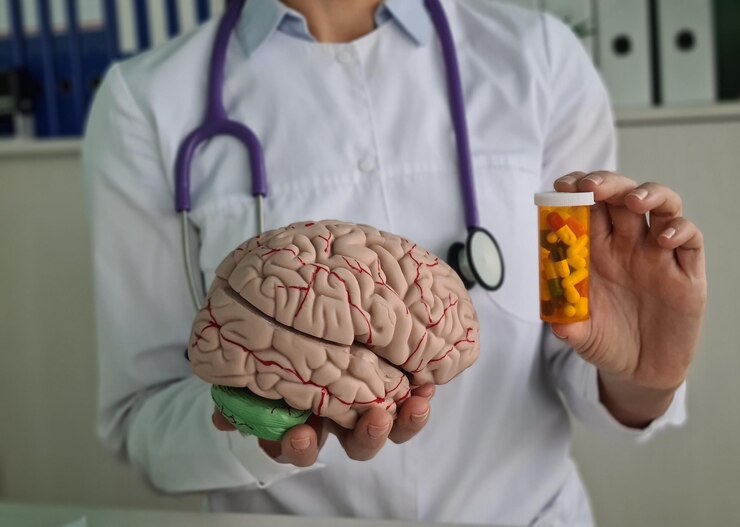
Addiction is more than a habit or a lack of willpower. It is a complex condition that can change how the brain processes pleasure, responds to stress, and makes decisions. These changes can make stopping alcohol or drug use difficult, even when someone genuinely wants to change. However, understanding how addiction affects the brain can replace shame with knowledge and help individuals recognize that recovery is possible. With appropriate addiction treatment, mental health support, and a plan tailored to individual needs, people can begin rebuilding healthier patterns and moving toward a more stable, fulfilling life.
What Is Addiction and Why Does It Happen?
Addiction, often described clinically as a substance use disorder, involves continued substance use despite significant harm to a person’s health, relationships, responsibilities, or overall well-being. It can develop gradually or become apparent after a period of increasingly risky use.
There is no single cause of addiction. Genetics, stress, trauma, mental health conditions, family history, social environments, and repeated exposure to addictive substances can all contribute to a person’s risk.
For some people, alcohol or drugs initially provide temporary relief from emotional pain, anxiety, or difficult circumstances. Over time, however, repeated use can reinforce behaviors that become increasingly hard to control.
Addiction Is Not Simply a Choice
The decision to try a substance is not the same as developing an addiction. As substance use continues, changes in brain function can affect judgment, motivation, and the ability to resist cravings.
This does not mean people have no role in their recovery. Rather, it means that willpower alone may not be enough. Professional treatment can help individuals understand their patterns, address contributing factors, and develop practical skills for managing substance use.
A compassionate approach recognizes that addiction is a health concern, not a character flaw. People deserve support and effective care, regardless of how long they have struggled or how many times they have tried to change.
How Addiction Changes the Brain
The brain contains interconnected systems that help regulate motivation, reward, memory, learning, stress, and decision-making. Addictive substances can interfere with these systems, making substance use more compelling and everyday activities less rewarding for some individuals.
Understanding these changes helps explain why recovery can be challenging, particularly during the early stages of treatment.
The Brain’s Reward System
The brain’s reward system helps reinforce behaviors that support survival, such as eating, connecting with others, and pursuing meaningful goals. Dopamine, a chemical messenger in the brain, plays an important role in motivation, learning, and the anticipation of rewards.
Alcohol and other addictive substances can affect this system in powerful ways. Repeated exposure may strengthen the connection between substance use and feelings of reward or relief.
As these patterns become established, the brain may begin to prioritize substance use over activities that once brought enjoyment. Work, relationships, hobbies, and personal goals can receive less attention.
This helps explain why someone may continue using a substance even after experiencing serious consequences. The brain has learned powerful associations that can take time, treatment, and consistent effort to change.
Cravings, Memory, and Triggers
The brain also learns to associate substance use with particular people, places, emotions, and situations. These associations can trigger cravings long after someone has decided to stop using.
For example, a person who regularly drank alcohol after work may experience strong urges when returning to the same environment or feeling the same level of stress. Someone else may associate drug use with a particular social group or a way of coping with loneliness.
Recognizing these triggers is an important part of addiction recovery. Counseling can help individuals identify high risk situations, understand their emotional responses, and practice alternative behaviors.
Over time, new routines and experiences can help weaken old associations and strengthen healthier responses.
Why Stopping Can Feel So Difficult
With repeated substance use, the brain and body may adapt to the presence of a substance. A person may develop tolerance, meaning they need more of the substance to experience an effect similar to the one they previously felt.
Physical dependence can also develop. When substance use stops or decreases, withdrawal symptoms may occur. These can include anxiety, irritability, sleep difficulties, nausea, or other physical and psychological symptoms. The nature and severity of withdrawal depend on the substance, the person’s health, and the pattern of use.
Some withdrawal symptoms can be dangerous. Alcohol and certain sedative medications, including benzodiazepines, can cause serious complications when stopped abruptly after prolonged use. Medical guidance is essential when dependence or withdrawal risk is present.
Understanding these effects can help individuals seek appropriate care instead of assuming they should be able to manage everything alone.
The Connection Between Addiction and Mental Health
Addiction and mental health concerns frequently influence one another. Some individuals use substances to manage distressing emotions, while substance use itself can worsen anxiety, depression, sleep problems, or other symptoms.
When these challenges occur together, addressing only one may leave important recovery needs unresolved.
Treating Co-Occurring Mental Health Conditions
A person experiencing depression may use alcohol to temporarily escape sadness or emotional numbness. Someone living with anxiety may rely on substances to feel more comfortable in social situations. Although these behaviors can seem helpful in the moment, they may create additional difficulties over time.
Integrated treatment considers substance use and mental health together. Depending on an individual’s needs, care may involve addiction counseling, psychotherapy, psychiatric assessment, and medication when clinically appropriate.
Treatment can also help individuals recognize the difference between temporary relief and lasting improvement. Instead of relying on substances to manage difficult feelings, they can develop healthier ways to respond to stress and emotional discomfort.
Addressing mental health concerns is not a distraction from addiction recovery. For many people, it is an essential part of building a sustainable foundation for change.
How Addiction Recovery Helps the Brain and Body Heal
Recovery is not simply a matter of removing a substance from the body. It also involves rebuilding routines, learning new responses to stress, and giving the brain and body time to adjust.
Although recovery looks different for everyone, many people experience improvements in their well-being as they maintain changes in substance use and receive appropriate support. The pace of improvement depends on factors such as the substance involved, the duration of use, overall health, and access to treatment.
Professional Treatment Provides Structure and Guidance
Addiction treatment can help individuals understand their substance use patterns, manage cravings, and address the circumstances that make recovery difficult.
Different levels of care provide different types of support.
Inpatient or residential treatment may be appropriate for individuals who need a structured environment, intensive support, or distance from situations that contribute to substance use. Services vary by program but may include counseling, recovery education, and coordinated mental health care.
Outpatient treatment allows individuals to attend scheduled appointments while living at home. Depending on the program, it may include individual therapy, group counseling, mental health services, and relapse prevention planning.
A qualified professional can help determine which setting is appropriate based on medical needs, withdrawal risks, mental health concerns, and the stability of the person’s living environment.
Building Healthy Habits That Support Recovery
Everyday habits can reinforce the work done in treatment. Consistent sleep, balanced nutrition, suitable physical activity, and meaningful social connections can support overall well-being.
Mindfulness, journaling, creative activities, and relaxation techniques may also help individuals recognize emotions before they become overwhelming.
These practices do not replace professional treatment. Instead, they can complement counseling and other evidence-based services by helping people establish healthier ways of living.
For individuals who value spirituality, faith-based support may provide additional encouragement, community, and a sense of purpose. The best approach respects personal beliefs and fits the individual’s broader recovery plan.
Practical Steps to Begin Your Recovery Journey
Understanding addiction is an important starting point, but taking action can make that knowledge meaningful. If substance use is affecting your life, you do not need to wait until everything feels out of control before seeking help.
Consider these practical steps:
- Speak honestly with a qualified professional. A healthcare provider or addiction treatment specialist can assess your needs and discuss suitable options.
- Be open about mental health concerns. Anxiety, depression, trauma, and persistent stress may need attention alongside substance use.
- Identify personal triggers. Notice the situations, emotions, and environments associated with cravings, and discuss them during treatment.
- Build a reliable support network. Trusted friends, family members, counselors, and peer support groups can provide encouragement and accountability.
- Create a realistic recovery plan. Focus on manageable goals, regular appointments, healthy routines, and continuing support.
If you have tried to stop using substances before, that experience can provide useful information about what support may be missing. A treatment professional can help you adjust your approach rather than viewing previous difficulties as proof that recovery is impossible.
Understanding Addiction Can Open the Door to Change
Addiction can alter the brain’s reward system, strengthen cravings, and make it harder to manage stress or resist familiar patterns. Yet these challenges do not define a person’s future. With appropriate treatment, continued support, and healthier coping strategies, individuals can work toward meaningful and lasting changes.
Recovery may involve inpatient or outpatient care, mental health treatment, holistic practices, faith-based support, or a combination of approaches. What matters most is finding care that recognizes your individual circumstances and addresses both substance use and the wider factors affecting your well-being.
If you or someone you love is struggling with addiction, consider reaching out to a qualified treatment professional to discuss the next step. Asking for help is a sign of taking your health seriously. You do not have to understand every aspect of addiction or solve every challenge before beginning. With the right guidance, recovery can start with one honest conversation and one decision to move forward.